
urban
considerations
Key take-away messages
- Avoid Urban-Rural Dichotomies: Try not to oversimplify the differences between urban and rural areas. Check assumptions about dietary and food environment challenges through formative evidence gathering rather than relying solely on stereotyped differences.
- Carefully Select Dietary Assessment Methods: Choose methods and indicators suited to urban contexts, where diets may seem diverse but still mask nutritional deficiencies. Consider using validated phone-based or online methods to overcome urban logistical constraints.
- Conduct Participatory Mapping: Engage the target population through participatory mapping to identify food access points and understand community-level factors influencing food choices. This helps define priorities and refine assessments.
- Use Caution Defining Food Environment Boundaries: Be careful assuming that residents shop near their homes. GPS tracking can provide accurate insights on how people move through food environments, though practical constraints require balancing accuracy and feasibility.
- Broaden Sampling Strategies: Include smaller cities and peri-urban areas rather than focusing only on large or capital cities to capture the diversity in urban experiences and vulnerabilities.
- Leverage Advanced Data Techniques: Employ remote sensing, satellite imagery, and mobile phone data to accurately identify and map vulnerable populations and informal settlements, supplementing traditional census data.
- Build Community Trust in Slums and Informal Settlements: Prioritize early engagement with local stakeholders and communities to ensure access, safety, accurate data, and responsiveness to community concerns.
- Precisely Identify Ultra-Processed Foods (UPFs) and Food Away From Home (FAFH): Clearly define and differentiate UPFs and FAFH in dietary assessments. Develop tailored tools to accurately classify these foods due to their varying health implications.
- Coordinate Diet and Food Environment Surveys: Align dietary assessments with food environment surveys by synchronizing food lists and indicators, facilitating clearer links between environment, diet, and consumer behaviors.
- Integrate Drivers of Food Choice Research: Complement food environment data with insights on consumer behaviors and food-choice motivations. This integration helps validate findings and provides deeper context for designing effective interventions.
Introduction
Urbanization in low- and middle-income countries (LMICs) has been a key driver in the transformation of food systems and food environments, as well as in the nutrition transition, with its associated changes in consumer behavior and increases in overweight and obesity. Similar changes are underway in rural areas, where the penetration of ultra-processed foods (UPFs) and food away from home (FAFH) is growing, along with consumer demand for convenience. Meanwhile, urban areas, despite the expanded employment opportunities they hold, also face serious challenges related to food insecurity and undernutrition, problems that are more commonly associated with rural areas. Dichotomizing urban-rural comparisons overlooks the similarities between urban and rural contexts in many of the diet and food environment challenges they are facing, as well as the important food systems linkages between them.
With this in mind, it is hoped that guidance shared through UFED will be useful not only in urban and peri-urban (UPU) contexts, but also rural areas. Regardless of whether an assessment is taking place in an UPU or rural area, planners should try to avoid prioritizing diet and food environment challenges that are based on these stylized urban-rural dichotomies, or at least check their assumptions whenever possible through reviews of the evidence and formative information-gathering.
The following section provides general guidance on designing and carrying out dietary and food environment assessments in UPU areas, regardless of the specific package of methods and tools recommended. While diet and food environment-related challenges may overlap in urban and rural contexts, there are some unique features of UPU areas that have practical implications for assessment. In addition to discussing these implications, the section provides recommendations on how to improve coordination of diet and food environment assessments in UPU areas.
Identifying diet-related research objectives and appropriate methods
Urban diets tend to be more diverse than rural diets, but urban populations can still be deficient in micronutrients or consume insufficient quantities of nutritious foods (Global Panel, 2017). Therefore, it is recommended to think carefully about which indicators are most appropriate and which assessment methods are needed to generate those. While the use of ready-made apps or tools can facilitate rapid and efficient data collection and analysis, food-group level indicators (e.g. dietary diversity) or presence/absence of food groups at population level may potentially obscure nutritional deficiencies in urban populations.
Alternative modes of administering diet surveys, such as phone-based methods, offer a promising avenue for urban settings. In-person data collection in urban areas may confront some challenges, including difficulty reaching populations that work away from home and commute, or are not available during the daytime, in addition to safety concerns or physical accessibility limitations in reaching some neighborhoods. The literature to validate phone-based dietary assessment methods against in-person administration is growing. However, not all tools are validated yet for phone-based data collection (e.g. the GDQS app). Online surveys may be more feasible in urban areas but often overrepresent populations in larger cities or with higher income or access to internet (Stantcheva, 2023).
Planning for a food environment assessment with participatory mapping
Urban food environments can be a complex patchwork of vendors of different types and scale. Exposure to and engagement with these different types of vendors may vary depending on the target population. Formative information gathering prior to data collection through focus group discussions (FGDs), key informant interviews, or other qualitative approaches, is a helpful first step in designing an assessment of any food environment dimension.
Participatory mapping is one specific method of gathering this information, which can be easily integrated within FGDs (Downs, Manohar, et al., 2024). Facilitators work with participants to map food access points within their communities, while also reflecting on issues related to food access, availability, affordability, and other factors. Transect walks, sketch mapping, or geographic information system (GIS)-based mapping can be incorporated and the exercise typically requires about 90 minutes per focus group (Downs, Manohar, et al., 2024).
Participatory mapping can be used to identify the types of food outlets and vendors the target population typically frequents as well as specific food access points (e.g. open-air markets or supermarkets) that may be critical to include in food environment surveys. It can also explore whether certain types of vendors are preferred for purchasing specific food groups, or whether utilization of certain types of vendors differs by the socio-economic background of participants[1]. Although the physical map generated from this exercise may serve only as a rough sketch, this can be especially useful in devising strategies for carrying out a systematic Community and Market Mapping exercise of the food environment later on, for example, by identifying key streets or areas of the neighborhood to focus on, where key vendors tend to concentrate.
As participants share their perceptions and experiences with their local food environments, this information may also help in refining the selection of tools and indicators to use in the assessment. It can also provide context on the relative importance of non market-based food acquisition strategies, e.g. social assistance programs or sharing among relatives and neighbors. While urban consumers are unlikely to rely heavily on wild and cultivated food environments, these may play a larger role in peri-urban contexts such as towns and small cities that connect directly to agricultural areas.
The Food Environment Toolbox[2] includes additional guidance on how to carry out Participatory Mapping, which can be accessed here (Downs, Staromiejska, et al., 2024).
Proceed with caution

Defining boundaries of the food environments consumers engage with involves uncertainties – Any food environment definition (e.g. the census block or lowest administrative unit where the household lives, a 1-mile buffer around households, etc.) involves assumptions regarding the space in which the consumer actually moves. GPS tracking devices carried by study participants may be the most accurate representation of activity spaces, but this data is time-consuming to analyze and can be perceived as sensitive in certain contexts.
Be careful in assuming that people shop at stores and markets that are proximate to them. While similar studies in LMICs are lacking, evidence from the US has shown that low-income urban residents rarely use their nearest supermarket (Chavis & Jones, 2020; Hillier et al., 2011).
[1] For this latter question, it may be beneficial to stratify focus groups according to household characteristics that may influence food purchasing decisions.
[2] The Food Environment Toolbox encompasses a suite of assessments designed to measure different dimensions of the food environment in LMICs. The toolbox is available through the Rutgers University website (https://sites.rutgers.edu/food-environment-Toolbox/), and was funded through the Innovative Methods and Metrics for Agriculture and Nutrition Action (IMMANA) program

Sampling in urban and peri-urban areas
Reviews of diet and food environment-related literature in urban areas have consistently noted the concentration of evidence in large cities, especially capital cities (Margolies, Amunga, Craig, et al., 2025; Margolies, Amunga, Pather, et al., 2025; Margolies, Choo, et al., 2024; Margolies, Pather, et al., 2024). However, one quarter of the global population lives in peri-urban areas, and in low-income countries specifically, 64% of people live in small cities and towns (Cattaneo et al., 2021). Food environments, access to services, and infrastructure may differ between large cities and peri-urban areas, and peri-urban areas may have different kinds of economic linkages with surrounding rural areas. Given the rapid growth of intermediate cities, small cities, and towns, researchers and policymakers should strongly consider including them in dietary and food environment assessments.
Another key decision for sampling is the primary sampling unit. While census data or household data from demographic and health surveys may already be available, these are often aggregated at administrative units that may not capture neighborhood or community-level variation in diets and food environments. This makes it difficult to identify vulnerable populations, study relationships between food environment exposures and diet, and put in place policies and programs to improve them. However, advances are now being made in use of satellite imagery, anonymized mobile phone data, and other data sources for measuring area-level health determinants (e.g. access to services, overcrowding, pollution) in a gridded format, which can be re-aggregated to fit various scales of analysis; these data sources can also be used in combination with existing survey, census, and other data to model individual and household indicators at the desired level of aggregation (Thomson et al., 2019).
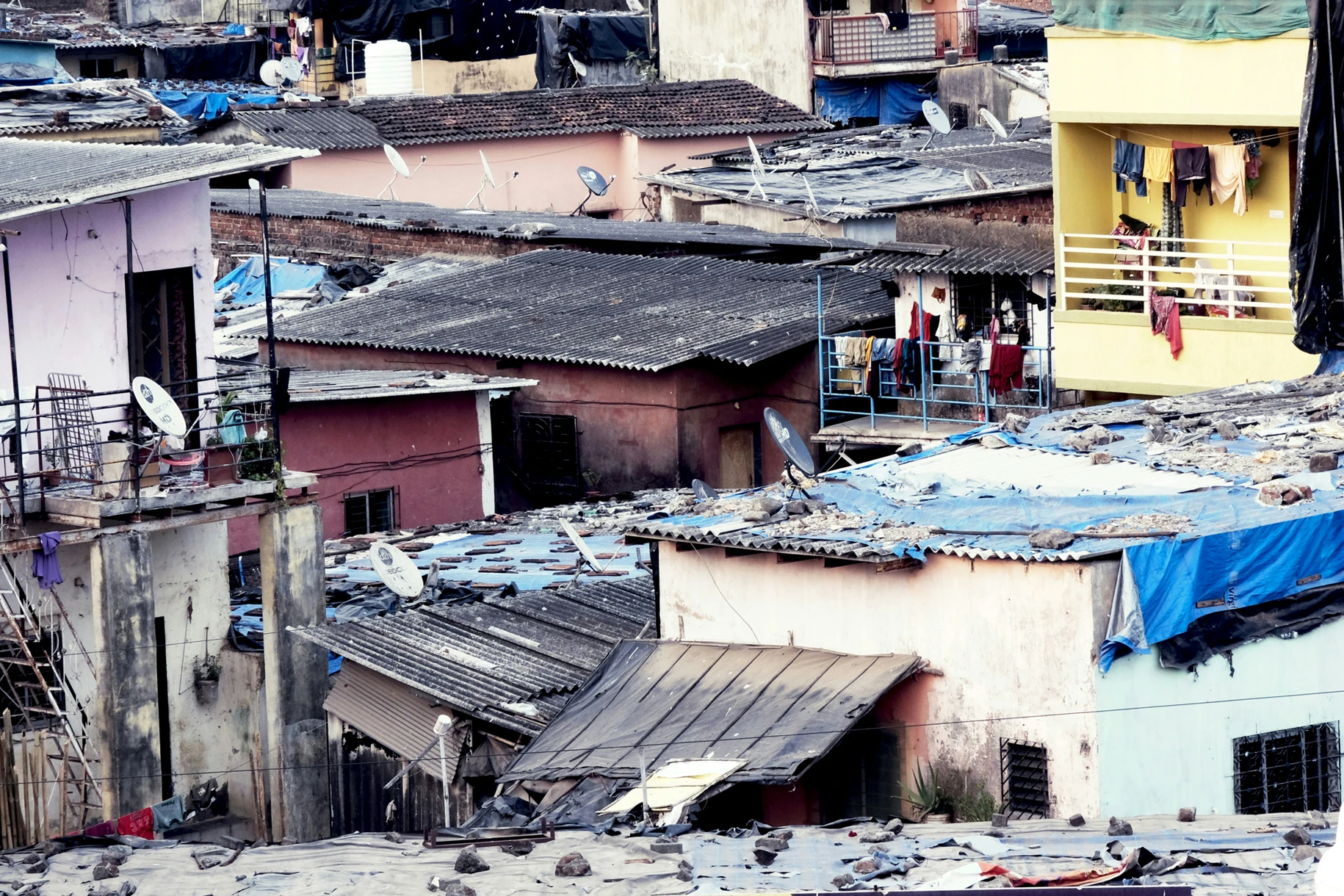
These new approaches are particularly significant for identifying and monitoring slums and informal settlements, which are characterized by multiple types of deprivations at both the household and area levels, but are largely invisible in census and other traditional data systems (Lilford et al., 2017; Thomson et al., 2019). Even when data on slums are available in these sources, they are frequently outdated and exclude newer, smaller slum areas that are lower-resourced; additionally, they are unable to capture area-level deprivations (Kuffer et al., 2018; Thomson et al., 2020). Satellite and other remote-sensing data can allow for more accurate, up-to-date mapping, demarcation, and enumeration of slum areas (Krishna et al., 2014). Ground-truthing in the field to verify satellite imagery further improves the accuracy of maps (Rains & Krishna, 2020). Access to information about the location and size of slums is necessary to direct resources to assessments and interventions that explore and act upon the unique diet and food environment challenges they face.
While advancements in data systems make it easier to enumerate UPU areas and include them in assessments, challenges still remain for second-stage sampling of individuals, households, and food vendors within the selected areas. In addition to lacking accurate information on slum households, census data have low coverage of specific vulnerable UPU groups, including single adults, migrant-headed households, disabled, unemployed, and non-married people, among others (Thomson et al., 2021). Reducing the time lag between household listing and interviewing and using an expanded eligibility criteria that includes atypical and mobile households are two potential solutions to this issue.
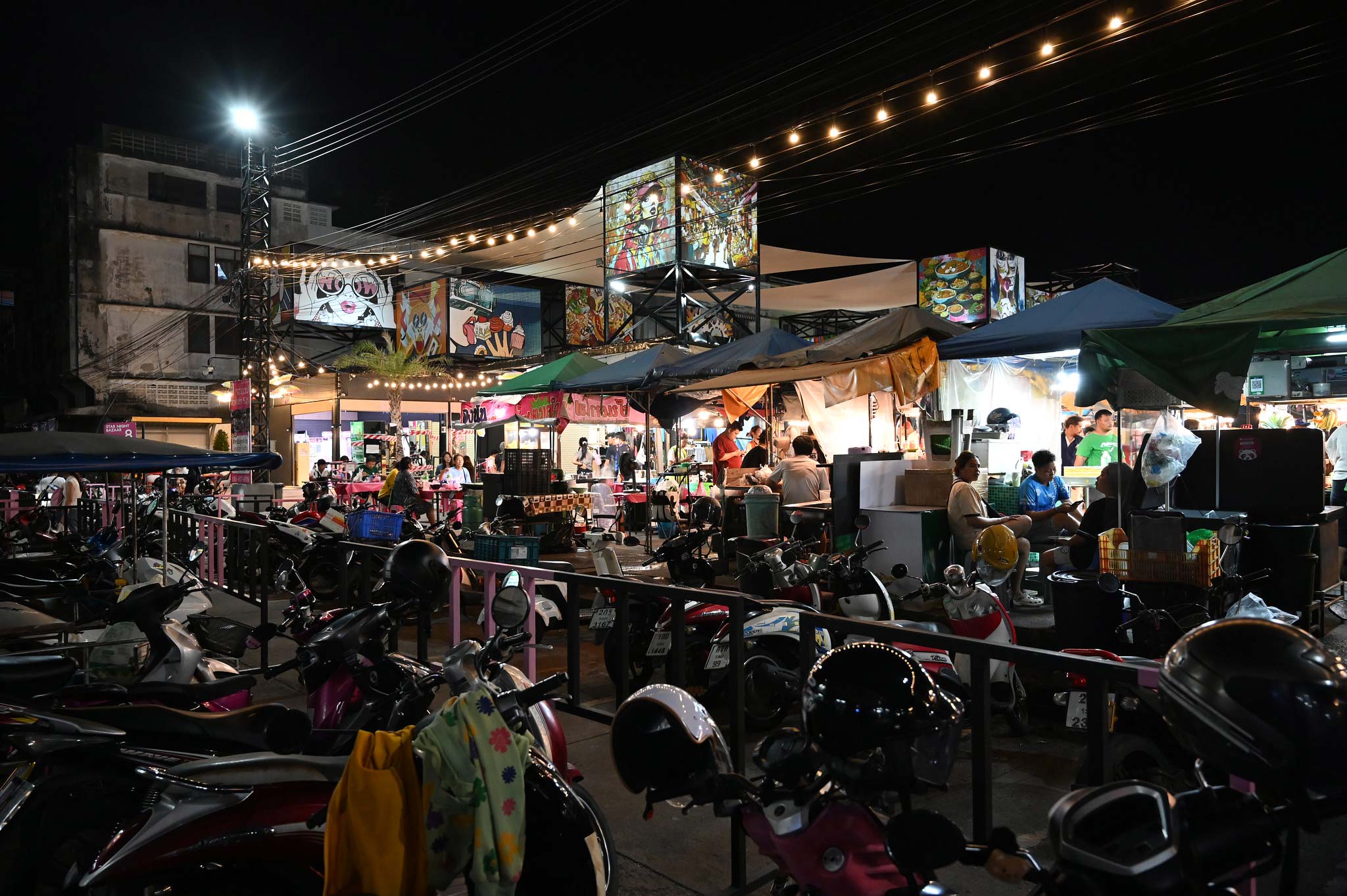
Similarly, sampling of food vendors that are mobile (e.g. push-carts) or semi-mobile (e.g., street food stands) presents logistical challenges. Participatory mapping, as previously described, can shed light on the importance of these types of vendors in the target population’s food acquisition strategies, in addition to other helpful information, such as the times of day when they operate and locations where they typically do business. For example, if mobile vendors appear only in the evening around night markets, enumerators can plan to conduct mapping or in-depth assessments of these vendors focusing on those times and locations.
The Food Environment Toolbox includes guidance for data collection among mobile vendors as part of its Mobile Vendor Census tool, available here (Downs, Staromiejska, et al., 2024).
Data collection in informal settlements
The physical and structural heterogeneity of slums and informal settlements (such as unmapped community boundaries, haphazard arrangement of dwellings, and temporary and changeable structures) present a challenge not only for sampling, but also for collecting data. Informal settlements are dynamic, often growing rapidly, and spatial information may become outdated quickly. The nature of the informality itself—lack of titling, clear ownership, and legality of dwellings, as well as the transience of inhabitants, with relocations brought on by evictions, floods, and other crises—may also impede traditional approaches to conducting household surveys. Government data may not include or formally recognize informal communities, and census data may exclude whole communities or populations.
In addition to these physical and structural complexities, there are complex social and governmental relations that need to be considered in order to access slums. Marginalized urban communities may have prior negative experiences with external actors entering their communities. Key recommendations are to first carry out stakeholder mapping and engagement, and to work with a local research team that is knowledgeable of national and local policy and social structures during this process (Improving Health in Slums Collaborative, 2019). Through focus groups, one-on-one interviews, or some combination, access should be negotiated and obtained from local authorities as well as community leaders.
Building trust through this initial stakeholder engagement phase is not only critical to ensure communities are informed about the assessment and have had a chance to voice concerns, but may also benefit the quality of the data later on. For example, this engagement may help form partnerships with other local actors knowledgeable of the area (e.g., community health workers or NGO representatives), who can help to ground-truth maps or reach marginalized groups. Local partners can also help to crowd-source helpful data on neighborhood-level features of slums, such as the location of water, sanitation, and health facilities (Mahabir et al., 2016). These relationships and trust are also important to maintain the safety of enumerators in settings where this may be a concern.
Planning for assessment of ultra-processed foods and food away from home
Ultra-processed foods (UPFs) and food consumed (and/or prepared) away from home (FAFH) are becoming a larger part of urban diets in LMICs[3]. Observational studies have associated consumption of UPFs and FAFH with poor diet quality and adverse health outcomes, and one randomized control trial has provided causal evidence of short-term (two weeks) consumption of UPF on energy intake and weight gain (Hall et al., 2019; Landais et al., 2023; Lane et al., 2024). While ready-to-use assessment tools such as GDQS and DQQ can measure both nutrient adequacy and risk of NCDs (thus tracking key diet-related contributors to the double burden of malnutrition), their ability to provide in-depth information on intake of UPFs and FAFH specifically is limited. Dietary recall and FFQ are more capable, but still require significant preparatory work to adequately capture these foods. The same holds true for food environment assessments that aim to explore access, availability, cost, and promotion of UPFs or FAFH.
Classification of UPFs and FAFH
The NOVA classification system is most commonly used to identify UPFs (Monteiro et al., 2019). However, when FFQ food lists have not been designed with the intention of assessing UPFs, they may lack the detail needed to easily differentiate among different NOVA categories (i.e. UPF versus not UPF). This holds true for FAFH identification as well. Though 24-hr dietary recall is more flexible in capturing specific food items, it requires significant probing to properly identify UPFs and FAFH (e.g. brand names, place of preparation, and other phrases that indicate level of processing, such as “frozen” or “ready-to-eat”), which may be cumbersome. For example, a “chicken sandwich” could be a UPF if it is a frozen, microwavable sandwich with breaded chicken and processed cheese, FAFH (and UPF) if it is a fried chicken sandwich from a fast-food restaurant, or it could be neither UPF nor FAFH if it is homemade, using sliced chicken breast and whole grain bread. Furthermore, respondents’ recall could be limited for these specific characteristics.
Recent evidence also suggests that there may be heterogeneous health effects of different UPF sub-groups, with some (sugar- and artificially sweetened beverages and processed meats) positively associated with cardiovascular disease, while others (bread and cold cereals, yoghurt, among others) inversely associated with cardiovascular disease (Mendoza et al., 2024). Similarly, the health impacts of frequent consumption of FAFH from fast-food outlets may differ from full-service restaurants (Nago et al., 2014).
Therefore, there are benefits to carefully designing tools and protocols in a way that can accurately identify UPFs, FAFH, and their different sub-groups; however, these need to be weighed against the additional burden for enumerators and respondents, data quality risks of having a longer questionnaire, as well as the cost of additional preparatory work to add these items to the food list prior to data collection.
UPF and FAFH information in dietary reference databases
Ingredients and formulations for UPFs and FAFH must be attained from dietary reference databases, including food composition tables (FCTs) and recipe databases, but they are not well-covered here. Even when brand names are collected in an FFQ or 24-hr recall, branded foods are often absent in FCT as well (O’Connor et al., 2024). While nutritional information may be attainable online when brands are known (e.g. calories, nutrient content, ingredient lists), this is not always the case in LMICs, and what can be found is often incomplete. Nutrition labels on the products themselves are often lacking as well, with many countries still in the process of developing and implementing labeling regulations (Mandle et al., 2015).
Recommendations
Several steps can be taken in the preparation phase of an assessment to make analysis of UPFs and FAFH in diets easier. Similar challenges related to assembling food lists and classification of foods apply to food environment assessments as well, and in fact, gathering formative information on UPFs and FAFH from food vendors in the study area can yield insights both for dietary and food environment assessment. This could take place in parallel to the food environment participatory mapping described above. Listed below are a few recommendations:
- Assemble a list of UPFs by visiting different types of food vendors, noting the product categories and common brands that are offered. If sub-groups of UPF will be assessed, categorize each product by group. Where possible, gather nutritional information and quantified ingredient lists from products to supplement gaps in FCT.
- Assemble a list of FAFH by visiting different types of restaurants, street food vendors, and cafes, noting common menu items offered and where possible, gathering recipe information.
- Conduct FGDs with the target population to understand which product categories, brands, and menu items are most commonly consumed. Food industry information can also be accessed through private databases, such as Euromonitor Passport, to explore which product categories and brands account for the largest percentage of expenditure.
- Gather feedback from nutrition experts who are familiar with local food environments on prioritization and inclusion/exclusion decisions regarding the food list. Pre-specified FFQ and food environment food lists in particular may need to reduced, focusing only on the most consumed UPFs and FAFH (or those that are of specific research interest) to avoid overburdening enumerators and respondents.
- Ensure that questionnaires and protocols for FFQs and 24-hr dietary recalls are designed to capture brand information, place of preparation, and other key characteristics that can identify UPFs and FAFH.
All of these preparatory steps may not be possible to undertake, depending on resources and timelines. However, even if detailed information on UPF and FAFH has not been collected, it may be possible to classify foods post-data collection using an iterative approach among pairs of researchers. Researchers involved with the development of NOVA have outlined best practices for this approach (Martinez-Steele et al., 2023). Similar steps need to be taken even when detailed information has been collected, but certain items remain difficult to classify.
Additionally, if a less-resource intensive means of assessing UPF consumption is needed, non-quantitative approaches can be considered. For example, a UPF screener is available to assist with tabulation of the Nova-UPF score, which has been adapted and validated in both Colombia and Senegal as a measure of percent of energy from UPFs (Correa‐Madrid et al., 2023; dos Santos Costa et al., 2021; Kébé et al., 2024).
[1] While lower in comparison and happening at a slower pace, the same trend holds true for rural areas, driven by the rise in non-farm employment (FAO et al., 2023; Reardon et al., 2019; Sauer et al., 2021).
Linking food environment and dietary assessments in urban areas
Descriptive assessments can yield valuable information about the state of UPU food environments and diets, how healthy or unhealthy they are, and what barriers to improvements in diet quality are likely. This information can support the design of policies and programs targeting food environments and consumers that aim to enhance access to and consumption of healthy diets. Some policymakers and researchers may also be interested in quantifying relationships between food environments and diets, for example by testing associations between certain food environment exposures and diet outcomes. This inferential analysis presents many challenges, some of them due to the nascent stage of development for many food environment tools and metrics. Still, there are several actions that can be taken to better integrate demand and food environment assessment in anticipation of exploring these relationships.
These include the following:
Sampling food outlets that are relevant to the target populations
To study relationships between food environments and diet, assessments should include food outlets that closely resemble those that consumers in the study population are exposed to. As described above, participatory mapping is a good approach to gathering information on the types of food outlets that are most important for different food groups, as well as for different types of consumers.
Aligning food lists between food environment, household, and diet surveys
Tracing a pathway from food environment to household purchases and diet will be facilitated when surveys are measuring the same foods. For example, if food environment surveys indicate that marketing of sugar-sweetened beverages may be problems for certain neighborhoods or school areas, household and diet surveys must be able to capture variation in purchases and consumption of sugar-sweetened beverages.
Gathering additional information on food access from consumers
Participatory mapping will help to ensure the sample of outlets included in a food environment assessment are relevant to the study population, more detailed data can be gathered at the individual-level on specific types of outlets visited, distances traveled, and modes of transportation used. This can help to verify findings from participatory mapping, but could also be used in analysis (e.g. adjusting for mode of transportation in studying the association between access and purchases or consumption).
Supplementing food environment and dietary assessment with drivers of food choice research
Alongside food environment research in LMICs, the science of food choice has also been taking form and has yielded important insights into the reasons why people consume the foods they do (Blake et al., 2021). Food choices are the result of an interaction between food environments and consumers, and while food environment surveys can provide objective information about the healthfulness of local markets and food outlets, drivers of food choice insights are needed to understand the consumers’ side of the story. This information can be used to verify findings from food environment assessments (e.g. are barriers identified in food environments salient to consumers as well?), as well as triangulate findings on associations with diet outcomes (e.g., are food environment exposures with null findings given low priority by consumers?). Data on the drivers of food choice can be gathered through additional modules included in household surveys, alongside dietary assessment, or also through qualitative methods, such as focus groups discussions or interviews seeking to explore how food choices are made and lived experiences with food environments.
References
Blake, C. E., Frongillo, E. A., Warren Andrea M and Constantinides, S. V, Rampalli, K. K., & Bhandari, S. (2021). Elaborating the science of food choice for rapidly changing food systems in low-and middle-income countries. Global Food Security, 28, 100503.
Cattaneo, A., Nelson, A., & McMenomy, T. (2021). Global mapping of urban-rural catchment areas reveals unequal access to services. Proceedings of the National Academy of Sciences of the United States of America, 118(2). https://doi.org/10.1073/PNAS.2011990118
Chavis, C., & Jones, A. (2020). Understanding Access to Grocery Stores in Food Deserts in Baltimore City.
Correa-Madrid, M. C., Correa Guzmán, N., Bergeron, G., Restrepo-Mesa, S. L., & Cediel, G. (2023). Validation of the NOVA score for the consumption of ultra-processed foods by young women of Medellín, Colombia. Annals of the New York Academy of Sciences, 1528(1). https://doi.org/10.1111/nyas.15054
dos Santos Costa, C., de Faria, F. R., Gabe, K. T., Sattamini, I. F., Khandpur, N., Leite, F. H. M., Steele, E. M., da Costa Louzada, M. L., Levy, R. B., & Monteiro, C. A. (2021). Nova score for the consumption of ultra-processed foods: description and performance evaluation in Brazil. Revista de Saude Publica, 55. https://doi.org/10.11606/s1518-8787.2021055003588
Downs, S., Manohar, S., Staromiejska, W., Keo, C., Say, S., Chhinh, N., Fanzo, J., & Sok, S. (2024). Centering context when characterizing food environments: the potential of participatory mapping to inform food environment research. Frontiers in Nutrition, 11. https://doi.org/10.3389/fnut.2024.1324102
Downs, S., Staromiejska, W., Bakshi, N., Sok, S., Chhinh, N., Ahmed, S., Fox, E., Herforth, A., & Ghosh-Jerath, S. (2024). The Food Environment Toolbox. https://sites.rutgers.edu/food-environment-toolbox/
FAO, IFAD, UNICEF, WFP, & WHO. (2023). The State of Food Security and Nutrition in the World 2023: Urbanization, agrifood systems transformation and healthy diets across the rural–urban continuum.
Global Panel. (2017). Urban diets and nutrition: Trends, challenges and opportunities for policy action (Issue Policy Brief No. 9).
Hall, K. D., Ayuketah, A., Brychta, R., Cai, H., Cassimatis, T., Chen, K. Y., Chung, S. T., Costa, E., Courville, A., Darcey, V., Fletcher, L. A., Forde, C. G., Gharib, A. M., Guo, J., Howard, R., Joseph, P. V., McGehee, S., Ouwerkerk, R., Raisinger, K., … Zhou, M. (2019). Ultra-Processed Diets Cause Excess Calorie Intake and Weight Gain: An Inpatient Randomized Controlled Trial of Ad Libitum Food Intake. Cell Metabolism, 30(1). https://doi.org/10.1016/j.cmet.2019.05.008
Hillier, A., Cannuscio, C., Karpyn, A., Mclaughlin, J., Chilton, M., & Glanz, K. (2011). How far do low-income parents travel to shop for food? Empirical evidence from two urban neighborhoods. Urban Geography, 32(5). https://doi.org/10.2747/0272-3638.32.5.712
Improving Health in Slums Collaborative. (2019). A protocol for a multi-site, spatially-referenced household survey in slum settings: methods for access, sampling frame construction, sampling, and field data collection. BMC Medical Research Methodology, 19(1). https://doi.org/10.1186/s12874-019-0732-x
Kébé, S. D., Diouf, A., Sylla, P. M. D. D., Kane, K., dos Santos Costa, C., Leite, F. H. M., Andrade, G. C., Badiane, A., Moubarac, J. C., Idohou-Dossou, N., & Monteiro, C. A. (2024). Assessment of ultra processed foods consumption in Senegal: validation of the Nova-UPF screener. Archives of Public Health, 82(1). https://doi.org/10.1186/s13690-024-01239-y
Krishna, A., Sriram, M. S., & Prakash, P. (2014). Slum types and adaptation strategies: identifying policy-relevant differences in Bangalore. Environment and Urbanization, 26(2). https://doi.org/10.1177/0956247814537958
Kuffer, M., Wang, J., Nagenborg, M., Pfeffer, K., Kohli, D., Sliuzas, R., & Persello, C. (2018). The scope of earth-observation to improve the consistency of the SDG slum indicator. In ISPRS International Journal of Geo-Information (Vol. 7, Issue 11). https://doi.org/10.3390/ijgi7110428
Landais, E., Miotto-Plessis, M., Bene, C., Maitre d’Hotel, E., Truong, M. T., Somé, J. W., & Verger, E. O. (2023). Consumption of food away from home in low- and middle-income countries: a systematic scoping review. Nutrition Reviews, 81(6). https://doi.org/10.1093/nutrit/nuac085
Lane, M. M., Gamage, E., Du, S., Ashtree, D. N., McGuinness, A. J., Gauci, S., Baker, P., Lawrence, M., Rebholz, C. M., Srour, B., Touvier, M., Jacka, F. N., O’Neil, A., Segasby, T., & Marx, W. (2024). Ultra-processed food exposure and adverse health outcomes: Umbrella review of epidemiological meta-analyses. BMJ. https://doi.org/10.1136/bmj-2023-077310
Lilford, R. J., Oyebode, O., Satterthwaite, D., Melendez-Torres, G. J., Chen, Y. F., Mberu, B., Watson, S. I., Sartori, J., Ndugwa, R., Caiaffa, W., Haregu, T., Capon, A., Saith, R., & Ezeh, A. (2017). Improving the health and welfare of people who live in slums. In The Lancet (Vol. 389, Issue 10068). https://doi.org/10.1016/S0140-6736(16)31848-7
Mahabir, R., Crooks, A., Croitoru, A., & Agouris, P. (2016). The study of slums as social and physical constructs: Challenges and emerging research opportunities. Regional Studies, Regional Science, 3(1). https://doi.org/10.1080/21681376.2016.1229130
Mandle, J., Tugendhaft, A., Michalow, J., & Hofman, K. (2015). Nutrition labelling: a review of research on consumer and industry response in the global South. Glob. Health Action, 8, 25912.
Margolies, A., Amunga, D., Craig, H., Folson, G., & Olney, D. (2025). Resilient Cities urban nutrition profile: Ghana. https://hdl.handle.net/10568/173516
Margolies, A., Amunga, D., Pather, K., Craig, H., & Olney, D. (2025). Resilient Cities urban nutrition profile: Kenya. https://hdl.handle.net/10568/173368
Margolies, A., Choo, E., Singh, N., Parvin, A., Ruel, M., & Olney, D. (2024). Resilient Cities urban nutrition profile: Bangladesh. https://hdl.handle.net/10568/159793
Margolies, A., Pather, K., Vilca, J. H., & Olney, D. (2024). Resilient cities urban nutrition profile: Peru. https://hdl.handle.net/10568/159789
Martinez-Steele, E., Khandpur, N., Batis, C., Bes-Rastrollo, M., Bonaccio, M., Cediel, G., Huybrechts, I., Juul, F., Levy, R. B., da Costa Louzada, M. L., Machado, P. P., Moubarac, J. C., Nansel, T., Rauber, F., Srour, B., Touvier, M., & Monteiro, C. A. (2023). Best practices for applying the Nova food classification system. In Nature Food (Vol. 4, Issue 6). https://doi.org/10.1038/s43016-023-00779-w
Mendoza, K., Smith-Warner, S. A., Rossato, S. L., Khandpur, N., Manson, J. E., Qi, L., Rimm, E. B., Mukamal, K. J., Willett, W. C., Wang, M., Hu, F. B., Mattei, J., & Sun, Q. (2024). Ultra-processed foods and cardiovascular disease: analysis of three large US prospective cohorts and a systematic review and meta-analysis of prospective cohort studies. The Lancet Regional Health – Americas, 37, 100859. https://doi.org/https://doi.org/10.1016/j.lana.2024.100859
Monteiro, C. A., Cannon, G., Lawrence, M., Da Costa Louzada, M. L., & Machado, P. P. (2019). Ultra-processed foods, diet quality, and health using the NOVA classification system.
Nago, E. S., Lachat, C. K., Dossa, R. A. M., & Kolsteren, P. W. (2014). Association of Out-of-Home Eating with Anthropometric Changes: A Systematic Review of Prospective Studies. Critical Reviews in Food Science and Nutrition, 54(9). https://doi.org/10.1080/10408398.2011.627095
O’Connor, L. E., Herrick, K. A., & Papier, K. (2024). Handle with care: challenges associated with ultra-processed foods research. International Journal of Epidemiology, 53(5), dyae106. https://doi.org/10.1093/ije/dyae106
Rains, E., & Krishna, A. (2020). Precarious gains: Social mobility and volatility in urban slums. World Development, 132. https://doi.org/10.1016/j.worlddev.2020.105001
Reardon, T., Echeverria, R., Berdegué Julio and Minten, B., Liverpool-Tasie, S., Tschirley, D., & Zilberman, D. (2019). Rapid transformation of food systems in developing regions: Highlighting the role of agricultural research & innovations. Agric. Syst., 172, 47–59.
Sauer, C. M., Reardon, T., Tschirley, D., Liverpool-Tasie, S., Awokuse, T., Alphonce, R., Ndyetabula, D., & Waized, B. (2021). Consumption of processed food & food away from home in big cities, small towns, and rural areas of Tanzania. Agricultural Economics (United Kingdom), 52(5). https://doi.org/10.1111/agec.12652
Stantcheva, S. (2023). How to Run Surveys: A Guide to Creating Your Own Identifying Variation and Revealing the Invisible. In Annual Review of Economics (Vol. 15). https://doi.org/10.1146/annurev-economics-091622-010157
Thomson, D. R., Bhattarai, R., Khanal, S., Manandhar, S., Dhungel, R., Gajurel, S., Hicks, J. P., Duc, D. M., Ferdoush, J., Ferdous, T., Urmy, N. J., Shawon, R. A., Long, K. Q., Poudel, A. N., Cartwright, C., Wallace, H., Ensor, T., Baral, S., Mashreky, S., … Elsey, H. (2021). Addressing Unintentional Exclusion of Vulnerable and Mobile Households in Traditional Surveys in Kathmandu, Dhaka, and Hanoi: a Mixed-Methods Feasibility Study. Journal of Urban Health, 98(1). https://doi.org/10.1007/s11524-020-00485-z
Thomson, D. R., Kuffer, M., Boo, G., Hati, B., Grippa, T., Elsey, H., Linard, C., Mahabir, R., Kyobutungi, C., Maviti, J., Mwaniki, D., Ndugwa, R., Makau, J., Sliuzas, R., Cheruiyot, S., Nyambuga, K., Mboga, N., Kimani, N. W., de Albuquerque, J. P., & Kabaria, C. (2020). Need for an integrated deprived area “slum” mapping system (IDEAMAPS) in low-and middle-income countries (LMICS). Social Sciences, 9(5). https://doi.org/10.3390/SOCSCI9050080
Thomson, D. R., Linard, C., Vanhuysse, S., Steele, J. E., Shimoni, M., Siri, J., Caiaffa, W. T., Rosenberg, M., Wolff, E., Grippa, T., Georganos, S., & Elsey, H. (2019). Extending Data for Urban Health Decision-Making: a Menu of New and Potential Neighborhood-Level Health Determinants Datasets in LMICs. Journal of Urban Health, 96(4). https://doi.org/10.1007/s11524-019-00363-3